

ISO 9001:2015 certification offers numerous benefits to companies of all sizes. In this post, we will outline the key advantages that businesses experience after achieving ISO 9001 certification, including improved operational efficiency, increased customer satisfaction, and enhanced market reputation.
1. Improved Efficiency and Reduced Costs
One of the most immediate and impactful benefits of ISO 9001:2015 certification is the improvement in operational efficiency. By implementing the standard’s quality management framework, businesses can streamline processes and minimize waste. The emphasis on continual improvement and process optimization directly contributes to greater productivity and reduced operational costs. Key aspects include:

Process Optimization: ISO 9001 encourages companies to evaluate and refine their internal processes, resulting in smoother workflows, reduced delays, and less redundancy.
Waste Reduction: With a strong focus on identifying inefficiencies, ISO 9001 helps organizations minimize waste—whether it’s time, resources, or materials—thus leading to lower costs.
Resource Management: Effective resource allocation is a key part of ISO 9001, ensuring that resources are used efficiently and that unnecessary expenditures are minimized.
In turn, these improvements can increase profitability, as you’re able to do more with less while maintaining high quality standards.
2. Enhanced Customer Satisfaction
ISO 9001:2015 is fundamentally customer-centric. One of its core principles is to ensure that organizations meet or exceed customer expectations consistently. Achieving ISO 9001 certification helps businesses establish a structured approach to customer satisfaction, which in turn has a profound effect on customer loyalty and retention. Benefits include:
Consistency in Product/Service Quality: ISO 9001 emphasizes the delivery of consistent, high-quality products and services, making it easier to meet customer expectations on a regular basis.
Faster Response to Customer Needs: By implementing standardized processes, companies can respond more quickly to customer inquiries, complaints, and demands.
Continuous Feedback: ISO 9001 encourages the use of customer feedback to drive improvements, ensuring that customer satisfaction is continuously measured and addressed.
Customers are more likely to trust companies that demonstrate a consistent commitment to quality, leading to stronger relationships and higher levels of customer retention.

3. Market Reputation and Credibility
ISO 9001:2015 certification enhances your company’s reputation and credibility in the marketplace. Being ISO-certified can be a significant differentiator, especially in competitive industries where quality is a key factor in the purchasing decision. Benefits in this area include:

Competitive Advantage: ISO certification sets your company apart from competitors who may not have similar certifications. This can give you an edge in bidding for contracts, particularly in sectors where quality assurance is a critical factor.
Attracting New Customers: Many businesses prefer to work with ISO-certified companies because it assures them that your products and services meet internationally recognized standards of quality.
Industry Recognition: Achieving ISO 9001 certification gives your business credibility within your industry, signaling to potential customers and partners that you adhere to rigorous quality standards.
This enhanced reputation helps to build trust, foster long-term relationships, and open new doors for business opportunities.
4. Better Risk Management
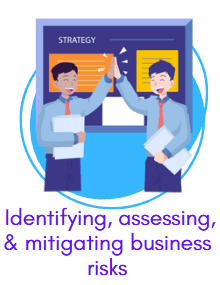
ISO 9001:2015 requires organizations to take a proactive approach to risk management. It emphasizes identifying, assessing, and mitigating risks related to quality. By improving risk management practices, businesses can better anticipate and address potential challenges before they negatively impact operations. The benefits include:
Identifying Potential Risks: The standard encourages companies to assess risks that could affect the quality of their products or services, allowing for timely intervention.
Mitigating Operational Risks: By identifying inefficiencies, bottlenecks, and vulnerabilities in the process, ISO 9001 helps businesses implement controls to prevent issues from escalating.
Fostering a Risk-Aware Culture: ISO 9001 helps instill a culture of risk awareness throughout the organization, where every employee understands their role in managing and reducing risk.
Stronger risk management reduces the likelihood of costly disruptions and enhances the overall stability of the business.
5. Employee Engagement
ISO 9001:2015 is not just about meeting customer demands; it’s also about creating a positive work environment that encourages employee engagement and involvement. This can significantly improve organizational culture and productivity. Key advantages include:

Clear Roles and Responsibilities: ISO 9001 helps clarify employee roles within the QMS, ensuring everyone knows what is expected of them and how their actions contribute to overall quality goals.
Employee Empowerment: The standard encourages employees to be part of the decision-making process and to offer suggestions for improvement, fostering a sense of ownership and responsibility.
Ongoing Training and Development: ISO 9001 emphasizes continuous training to enhance employee skills and competencies, leading to improved performance and job satisfaction.
An engaged workforce is more likely to be productive, motivated, and committed to maintaining high standards of quality, all of which contribute to the success of the business.
Conclusion:
ISO 9001:2015 certification offers far-reaching benefits that can significantly enhance your organization’s performance across several key areas. From improving efficiency and reducing costs to enhancing customer satisfaction, building market reputation, better managing risks, and engaging employees, the advantages of ISO 9001 are clear.
Pursuing ISO 9001 certification is not just a means of complying with a standard; it’s an investment in the long-term success and growth of your company. It creates a culture of continuous improvement that benefits employees, customers, and stakeholders alike, making your business more competitive, sustainable, and resilient in the face of evolving market demands.