

ISO 9001:2015 helps streamline supply chain processes and ensures quality throughout the production and delivery process. This post will explain how adopting ISO 9001 can optimize supply chain operations, improve communication with suppliers, and lead to better quality control at every stage.
Supplier Management: How ISO 9001 Ensures Consistent Quality from Suppliers
Effective supplier management is at the core of any efficient supply chain. ISO 9001:2015 provides a framework for organizations to establish clear criteria for selecting, monitoring, and evaluating suppliers to ensure they consistently meet quality standards. The standard’s focus on risk-based thinking and process management enables businesses to proactively identify and mitigate potential supplier-related issues.

Supplier Selection: ISO 9001 requires businesses to define criteria for selecting suppliers based on their ability to meet quality requirements. This ensures that only reliable suppliers are chosen, leading to higher-quality raw materials or components that will ultimately enhance the final product.
Supplier Performance Monitoring: With ISO 9001, businesses are encouraged to continuously monitor supplier performance through regular audits, assessments, and feedback. This enables organizations to identify performance gaps, take corrective actions, and maintain long-term, productive supplier relationships.
Supplier Collaboration: ISO 9001 emphasizes collaboration with suppliers to improve processes and products. By working closely with suppliers, businesses can ensure that expectations are aligned, risks are mitigated, and quality is consistently maintained throughout the supply chain.
By implementing ISO 9001’s supplier management practices, companies can reduce the risk of receiving substandard materials, delays, and production disruptions, ultimately ensuring that their end products meet customer expectations.
Streamlined Processes: Identifying Bottlenecks and Improving Workflows
A major goal of ISO 9001:2015 is to enhance efficiency across all business operations, including the supply chain. The standard encourages organizations to map out and analyze their processes to identify inefficiencies, bottlenecks, and areas for improvement. Through a structured approach to process management, businesses can streamline workflows and achieve better performance across the entire supply chain.
Process Mapping and Analysis: ISO 9001 requires organizations to document their processes, which helps identify inefficiencies and redundancies in the supply chain. Mapping out workflows allows companies to pinpoint bottlenecks and areas that slow down operations, whether it’s procurement, production, or distribution.
Continuous Monitoring: ISO 9001 promotes the continuous monitoring of processes using key performance indicators (KPIs). This helps identify process deviations in real-time, allowing businesses to address issues promptly before they become bigger problems that disrupt the supply chain.
Process Optimization: By analyzing the performance of various processes, ISO 9001 helps organizations optimize their supply chain by eliminating unnecessary steps, reducing lead times, and minimizing waste. Streamlining processes can lead to faster production cycles, reduced costs, and improved overall efficiency.

Enhanced Communication and Coordination: Creating Stronger Relationships with Suppliers
One of the key elements of a successful supply chain is effective communication and coordination between all stakeholders. ISO 9001:2015 helps businesses improve their communication with suppliers and other partners in the supply chain by establishing clear channels for feedback, updates, and issue resolution.

Clear Communication Channels: ISO 9001 promotes the establishment of clear, documented communication channels for interacting with suppliers. This ensures that both parties are on the same page regarding expectations, timelines, and quality standards, reducing misunderstandings and improving collaboration.
Regular Reviews and Feedback: ISO 9001 encourages businesses to conduct regular reviews with suppliers to evaluate performance, discuss any challenges, and explore areas for improvement. This ongoing dialogue helps strengthen relationships and fosters a culture of mutual respect and continuous improvement.
Escalation and Issue Resolution: ISO 9001 requires businesses to establish processes for handling and escalating issues as they arise. By creating a structured approach to problem-solving, organizations can address supply chain disruptions quickly and efficiently, reducing downtime and ensuring smooth operations.
Stronger communication and coordination with suppliers and partners result in fewer misunderstandings, improved compliance with quality standards, and more reliable delivery schedules—all of which are critical for an efficient supply chain.
Quality Control: Maintaining Quality Standards Across the Entire Supply Chain
Quality control is a fundamental principle of ISO 9001:2015, and the standard provides businesses with a framework to maintain quality throughout the entire supply chain. From raw material sourcing to final product delivery, ISO 9001 ensures that quality is built into every stage of the supply chain process.
Standardized Processes: ISO 9001 requires businesses to define and document standardized processes for each stage of production. These standardized procedures help ensure that quality is consistently maintained across the supply chain and that products meet customer specifications.
Inspection and Testing: Regular inspection and testing are integral to ISO 9001’s quality management system. Organizations are encouraged to inspect raw materials upon receipt, test components during production, and verify finished products before shipping. This systematic approach ensures that quality issues are detected early, preventing defects from reaching customers.
Supplier Quality Assurance: ISO 9001 emphasizes the importance of supplier quality management. By working closely with suppliers to implement quality assurance procedures, businesses can ensure that their suppliers deliver materials or components that meet the required standards. This collaboration helps maintain product quality across the entire supply chain.

By incorporating ISO 9001’s quality control measures into every step of the supply chain, businesses can minimize defects, reduce waste, and deliver products that meet customer expectations.
Cost Savings: Reducing Waste and Improving Inventory Management
Effective supply chain management is closely tied to cost control. ISO 9001:2015 helps businesses reduce costs by optimizing processes, eliminating waste, and improving inventory management practices. By improving operational efficiency and reducing unnecessary expenses, businesses can achieve significant cost savings.
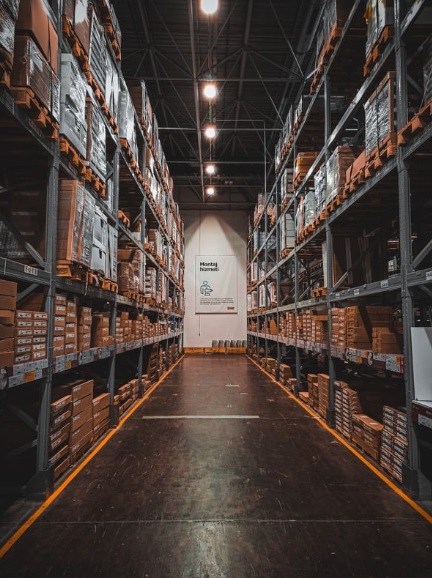
Waste Reduction: ISO 9001’s emphasis on continuous improvement encourages businesses to regularly evaluate their processes for waste. Whether it’s overproduction, excessive inventory, or inefficient use of resources, the standard provides a framework for identifying and eliminating waste across the supply chain.
Inventory Management: With ISO 9001, businesses are encouraged to implement more efficient inventory management practices. This includes maintaining optimal inventory levels, reducing stockouts, and improving demand forecasting. By doing so, companies can reduce excess inventory, minimize carrying costs, and ensure that materials are available when needed without overstocking.
Cost-Effective Sourcing: Through improved supplier management and process optimization, ISO 9001 helps companies negotiate better terms with suppliers, reducing procurement costs. Additionally, by working closely with suppliers to improve quality and reliability, businesses can reduce the risk of costly rework and returns.
Resource Allocation: ISO 9001 helps businesses allocate resources more effectively by identifying areas where costs can be reduced without compromising quality. This includes optimizing labor, equipment, and materials, which leads to overall cost savings.
By applying ISO 9001 principles to inventory management and cost control, businesses can reduce waste, improve cash flow, and achieve greater financial efficiency across their supply chain.
Conclusion
ISO 9001:2015 provides businesses with a comprehensive framework for improving supply chain efficiency. By focusing on supplier management, process optimization, communication, quality control, and cost savings, companies can streamline their operations and enhance their ability to deliver high-quality products on time and at competitive prices.
Adopting ISO 9001:2015 helps organizations build stronger relationships with suppliers, identify and resolve issues before they disrupt operations, and maintain consistent quality standards across the entire supply chain. The result is a more efficient, cost-effective supply chain that supports business growth, improves customer satisfaction, and enhances long-term competitiveness.
For businesses looking to optimize their supply chain and improve overall performance, ISO 9001:2015 offers a proven solution that can drive lasting improvements and lead to greater operational success.