

This post will feature a real-world case study of a company that successfully implemented ISO 9001:2015, highlighting the challenges they faced, the strategies they used, and the results they achieved. Sharing tangible outcomes can provide readers with a clear picture of what to expect when pursuing ISO 9001.
Background: Introduction to Company X and Its Industry
Company X is a manufacturer of high-tech electronic components, supplying products to industries such as telecommunications, automotive, and consumer electronics. With a workforce of 150 employees and a reputation for producing reliable, high-quality products, the company had a solid track record in its industry. However, as it sought to expand its market reach and better compete with global players, Company X recognized the need for a more robust quality management system.
The company was particularly focused on improving operational efficiency, ensuring consistency in product quality, and enhancing customer satisfaction. After assessing its internal operations, the leadership team decided that ISO 9001:2015 certification would be the right strategy for achieving these goals and further strengthening its position in the marketplace.
Challenges: Specific Hurdles They Encountered During ISO 9001 Implementation
While ISO 9001:2015 promised to streamline operations and enhance quality management, Company X faced several challenges throughout the implementation process:
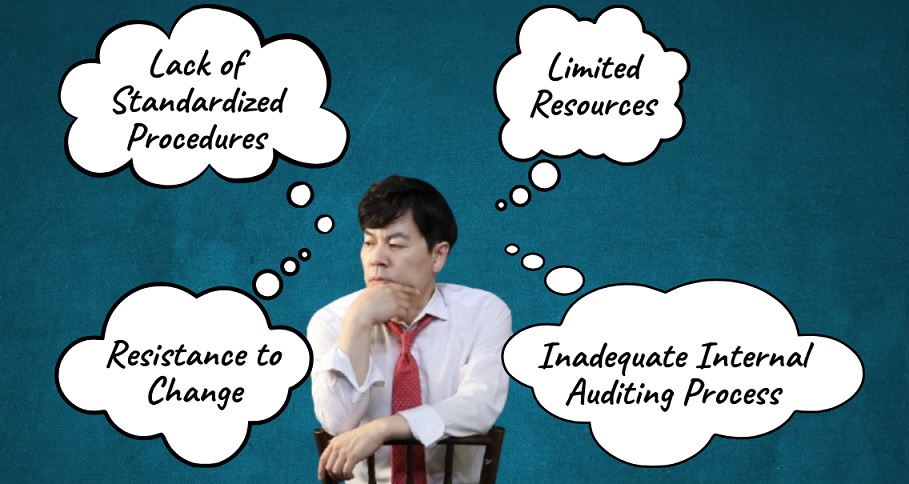
Resistance to Change: One of the biggest challenges was getting employees on board with the new quality management system. Many employees were accustomed to the existing processes, and there was initial resistance to adopting new practices, especially those related to documentation and reporting.
Lack of Standardized Procedures: Prior to ISO 9001:2015, Company X did not have a comprehensive set of standardized procedures across its operations. This created inconsistencies in how tasks were performed, leading to variations in product quality and delays in production.
Limited Resources: As a mid-sized business, Company X had limited resources to dedicate exclusively to ISO 9001 implementation. This meant the team had to manage the certification process alongside their regular tasks, which added to the complexity of the project.
Inadequate Internal Auditing Process: Company X’s internal auditing system was not fully developed. The company lacked structured mechanisms to assess the effectiveness of its quality management practices, which made it difficult to identify gaps or areas for improvement.
These challenges made the journey to ISO 9001:2015 certification seem daunting. However, with the right strategies and support, Company X was able to overcome these obstacles.
Solutions: How They Addressed the Challenges and Executed Their Plan
To tackle these challenges, Company X employed a series of strategic actions and solutions to ensure the success of its ISO 9001:2015 implementation:
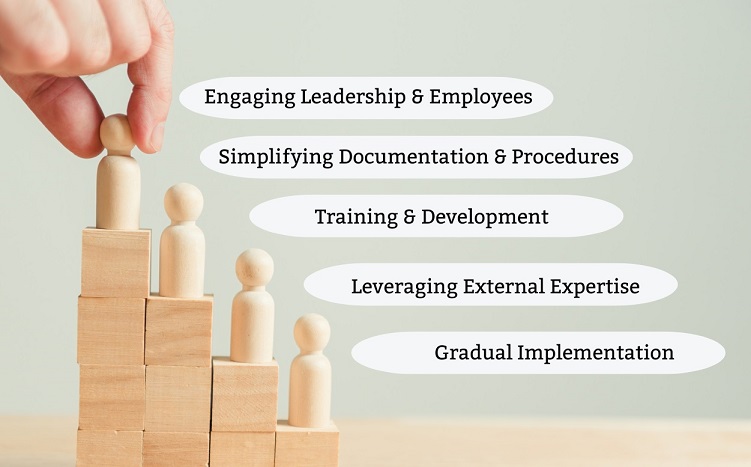
Engaging Leadership and Employees: Company X’s leadership played a crucial role in driving the change. The company’s senior management actively communicated the importance of ISO 9001 certification and how it would benefit the entire organization. Additionally, they created a dedicated team of employees from various departments to spearhead the implementation process, ensuring buy-in from all levels of the organization.
Simplifying Documentation and Procedures: The team worked to simplify and standardize processes, creating easy-to-follow workflows and clear documentation. They adopted a practical approach to documenting key processes, focusing on clarity and ease of use. This helped eliminate confusion and ensured everyone in the organization was aligned on the same standards.
Training and Development: A key part of the implementation was providing training to employees. The company offered ISO 9001:2015-specific training sessions and workshops for employees to better understand the new quality management system. This helped reduce resistance and encouraged employees to take ownership of their roles in maintaining quality.
Leveraging External Expertise: Recognizing the complexity of ISO 9001 implementation, Company X brought in an external ISO consultant who guided the organization through the process. This expert helped the company address specific challenges such as refining their internal auditing processes and creating detailed procedures for continuous improvement.
Gradual Implementation: To manage resources effectively, the company took a phased approach to implementation. They prioritized areas with the greatest need for improvement, such as standardizing production processes and addressing customer complaints. This gradual approach allowed Company X to ease into the certification process without overwhelming its team or budget.
By focusing on collaboration, training, and expert support, Company X was able to navigate the challenges of ISO 9001:2015 implementation and create a foundation for long-term success.
Results: Measurable Improvements Post-Certification
Following the successful implementation of ISO 9001:2015, Company X experienced significant improvements across several key areas of its operations. These measurable outcomes included:
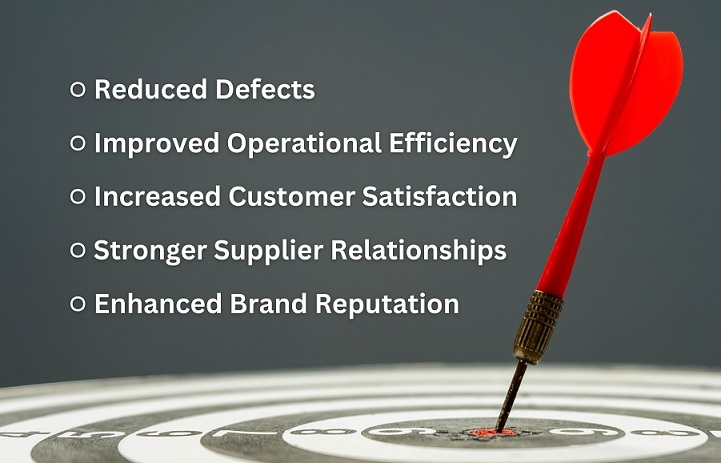
Reduced Defects: By standardizing processes and implementing better quality control measures, Company X saw a 30% reduction in defects and rework. This led to higher product quality and fewer customer complaints, which improved overall customer satisfaction.
Improved Operational Efficiency: The standardized procedures and streamlined workflows helped the company reduce production delays by 20%. With more predictable and consistent processes in place, the company was able to meet customer deadlines more reliably, which boosted customer loyalty.
Increased Customer Satisfaction: With fewer defects and more efficient operations, customer satisfaction improved significantly. The company began receiving more positive feedback from customers, and their customer retention rates increased by 15%.
Stronger Supplier Relationships: ISO 9001 certification helped the company strengthen its relationships with suppliers, as many suppliers preferred working with ISO-certified businesses. This allowed Company X to negotiate better terms and secure more favorable contracts.
Enhanced Brand Reputation: Achieving ISO 9001:2015 certification enhanced Company X’s reputation as a reliable and quality-conscious manufacturer. This was particularly important when bidding for new contracts, as customers were more confident in the company’s ability to deliver high-quality products on time.
These results demonstrated that ISO 9001:2015 not only helped Company X improve internal processes but also positively impacted its bottom line through higher customer satisfaction, reduced costs, and greater operational efficiency.
Lessons Learned: Key Takeaways for Other Businesses Pursuing ISO 9001
Company X’s journey to ISO 9001:2015 certification offers valuable insights for other businesses, particularly those that may be considering or are in the early stages of their certification journey. Key lessons learned include:

Involve Leadership Early: Having strong leadership commitment is essential for driving change. Company X’s management team was actively involved in the process, ensuring that the entire organization was aligned and motivated to achieve certification.
Don’t Overcomplicate the Process: ISO 9001 can be implemented in a straightforward, practical way. Focus on simplifying documentation, standardizing core processes, and creating clear procedures that are easy for all employees to follow.
Employee Engagement is Key: Employees should be educated about the benefits of ISO 9001 and how it contributes to the company’s success. Training and involving employees in the process can help overcome resistance and foster a culture of quality.
Take a Phased Approach: ISO 9001 implementation does not need to be done all at once. By prioritizing areas of improvement and rolling out changes gradually, companies can manage resources effectively and achieve long-term success.
Seek Expert Guidance: Bringing in external consultants or experts can be a smart investment. Their expertise can help address specific challenges, streamline the implementation process, and avoid common pitfalls.
Conclusion
ISO 9001:2015 certification was a transformative experience for Company X, helping them improve product quality, enhance customer satisfaction, and streamline operations. While the implementation process came with challenges, the company’s strategic approach, employee involvement, and commitment to continuous improvement enabled them to successfully adopt the standard and achieve measurable results.
Other businesses considering ISO 9001:2015 certification can learn from Company X’s experience by focusing on practical, scalable solutions, engaging leadership and employees, and leveraging external expertise where needed. By doing so, even small to mid-sized companies can reap the benefits of ISO certification and set themselves on a path for sustainable growth and long-term success.